

Hardwood Floor Water Damage in Charleston, SC
Charleston's combination of heavy seasonal rainfall and low-lying terrain creates persistent risk for water intrusion into homes throughout the area, particularly affecting hardwood flooring in properties across neighborhoods like James Island and West Ashley. Hardwood floors are especially vulnerable to moisture damage, warping, and cupping when water penetrates from below or spreads across surface areas, compromising both the structural integrity and appearance of this valued investment. Nelson Water Damage Restoration connects Charleston property owners with independent local restoration providers who can respond quickly to assess hardwood floor damage and help prevent permanent loss.
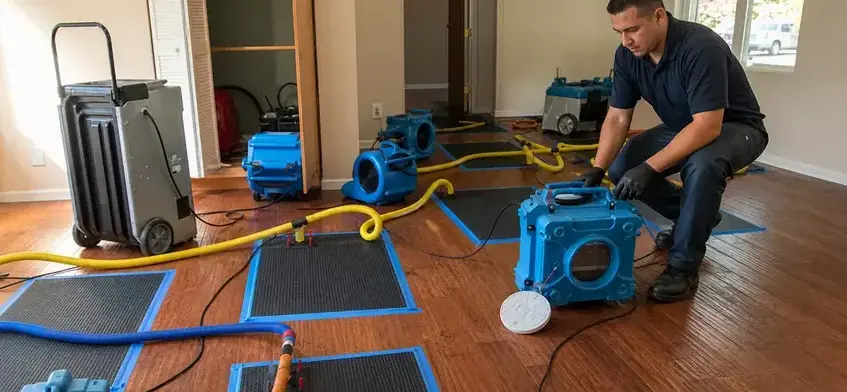
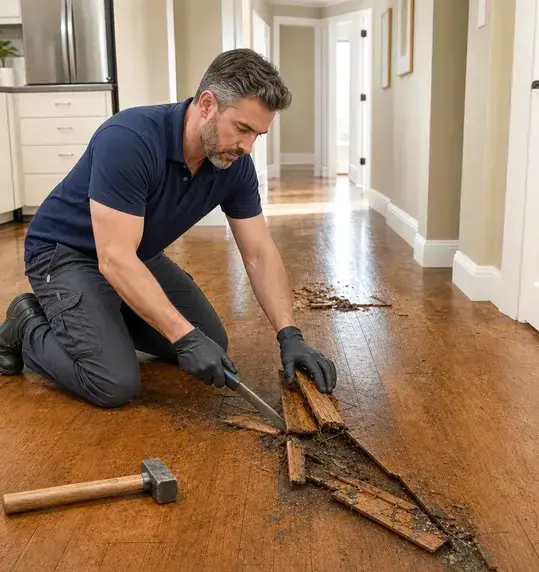
Hardwood Floor Water Damage Restoration in Charleston
Charleston's unique geography—with many homes situated on crawl spaces or slab foundations due to the region's high water table and low-lying terrain—creates an ongoing vulnerability to water intrusion. Older historic properties elevated on piers, found throughout neighborhoods like South of Broad and the French Quarter, face their own distinct exposure. Heavy seasonal rainfall and localized flash flooding are regular threats in the Charleston area, and when water reaches hardwood floors, the damage can escalate quickly. Wood absorbs moisture, warps, and becomes a breeding ground for mold if not addressed promptly and thoroughly. The cost of replacing hardwood floors far exceeds the investment in fast, professional water extraction and restoration—making immediate action essential when water damage strikes your home.
Nelson Water Damage Restoration connects Charleston property owners with independent local restoration providers who understand hardwood floor water damage in depth. These providers respond quickly to assess moisture levels, extract standing water, and deploy targeted drying techniques designed to preserve your flooring rather than force premature replacement. They address not only the visible damage but also hidden moisture trapped beneath and between boards, which is where the real risk of long-term failure lives. Follow-up inspections confirm that moisture has been fully removed, protecting your investment and your home's structural integrity. When hardwood floor water damage occurs in Charleston, connecting with a local restoration provider without delay is your best path forward.
Why Charleston Property Owners Trust Nelson for Hardwood Floor Water Damage
Fast Response to Hardwood Floor Water Damage
Water damage to hardwood floors worsens by the hour. Nelson connects you with local independent providers who prioritize rapid arrival and immediate assessment, limiting absorption and warping that can make restoration impossible.
Clear Communication During Hardwood Floor Restoration
Uncertainty compounds stress during water damage emergencies. The independent providers Nelson connects you to explain hardwood floor damage, drying strategy, and next steps in plain terms so you understand what to expect.
Thorough Treatment of Hardwood Floor Water Damage
Incomplete drying of hardwood floors leads to cupping, mold, and long-term structural failure. Nelson's network partners apply systematic moisture removal and monitoring to address water damage thoroughly beneath the surface.
Charleston's Seasonal Water Risks and Your Hardwood Floors
The Charleston area's heavy seasonal rainfall and occasional flash flooding put hardwood floors at serious risk. Nelson helps homeowners in neighborhoods like South of Broad and West Ashley connect quickly with local restoration providers equipped to handle regional water damage patterns.
How Our Hardwood Floor Water Damage Process Works
From your initial call to the final inspection, we provide a structured, professional, and efficient process to ensure your property is fully restored after Hardwood Floor Water Damage.
Schedule Your Hardwood Floor Water Damage Visit
Contact Nelson Water Damage Restoration to report hardwood floor water damage, and we'll connect you with a local restoration provider in Charleston who can assess your flooring urgently. Given the area's frequent heavy rainfall and moisture challenges, quick evaluation of hardwood floor saturation and swelling is critical to prevent permanent damage.
Assess Hardwood Floor Damage and Moisture Levels
The provider will inspect your hardwood floors for water absorption, cupping, warping, and subfloor moisture using professional-grade detection tools. This evaluation determines whether your hardwood can be dried in place or requires removal and replacement to prevent mold growth and structural failure.
Execute Hardwood Floor Water Damage Restoration
Based on the assessment, the provider will implement targeted drying, remove and replace irreversibly damaged hardwood planks, and restore affected areas to safe condition. You'll receive guidance on insurance documentation and next steps for your hardwood floor's full recovery.
Dealing with Hardwood Floor Water Damage in Charleston? Get fast, professional help.
Call Now — (843) 396-1171Hardwood Floor Water Damage Across Charleston
Charleston's unique water-management challenges directly affect how hardwood floors respond to water intrusion. The region's elevated water table and low-lying terrain mean that heavy seasonal rainfall can overwhelm drainage systems and cause water to infiltrate homes through foundations, crawl spaces, and lower-level floors. Hardwood is particularly vulnerable in these conditions—moisture seeping upward or pooling on floors causes wood to swell, warp, and separate from subfloors, often requiring professional restoration to prevent permanent damage and mold growth.
Homes throughout Charleston, from historic residences in neighborhoods like South of Broad to newer construction on Daniel Island and West Ashley, face similar moisture risks during peak rainfall periods. Older elevated homes and properties with pier foundations can still experience hardwood damage when water reaches under the structure or collects in foundation areas. The combination of Charleston's moisture-prone environment and the sensitivity of hardwood flooring means fast action is essential—the independent local restoration providers in the Nelson Water Damage Restoration network understand these regional conditions and can respond quickly to extract standing water, dry affected floors, and assess whether boards can be salvaged or need replacement.
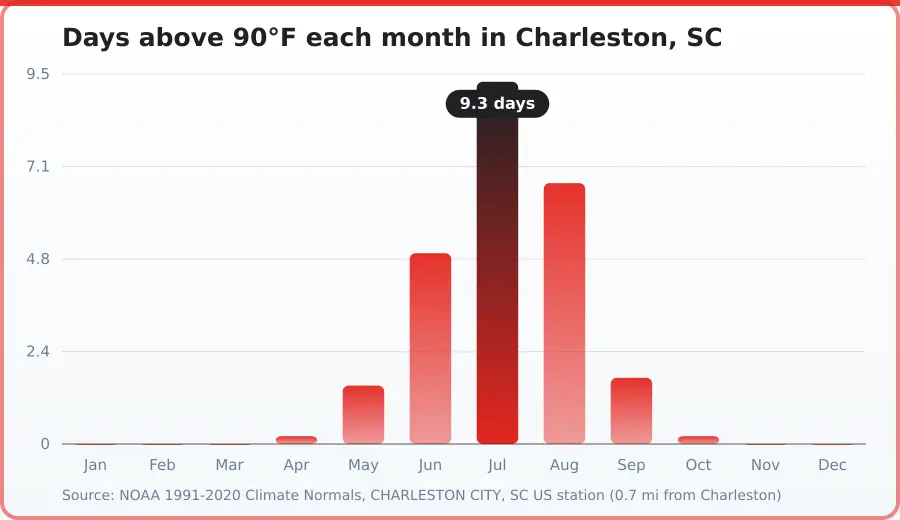
| Period | Days above 90F per month (days) |
|---|---|
| Jan | 0 |
| Feb | 0 |
| Mar | 0 |
| Apr | 0.2 |
| May | 1.5 |
| Jun | 4.9 |
| Jul | 9.3 |
| Aug | 6.7 |
| Sep | 1.7 |
| Oct | 0.2 |
| Nov | 0 |
| Dec | 0 |
Source: NOAA 1991-2020 Climate Normals, CHARLESTON CITY, SC US station (0.7 mi from Charleston). Retrieved October 27, 2026.
Hardwood Floor Water Damage Across Charleston's Seasons
Spring: Rising Water Risk
Spring rainfall in Charleston brings elevated hardwood floor water damage risk as heavy downpours overwhelm drainage systems and saturate foundations. Warped, cupped, or discolored wood surfaces often emerge weeks after water exposure. Nelson Water Damage Restoration connects property owners with local restoration providers who assess hardwood floor damage and recommend drying, refinishing, or replacement.
Summer: Heat & Humidity Stress
Summer's high humidity can amplify hardwood floor water damage that went undetected in prior months, causing wood movement, buckling, and mold growth beneath the surface. While heat accelerates evaporation, moisture trapped in wood layers continues to cause structural failure. Local providers reached through Nelson Water Damage Restoration use moisture detection and targeted drying to halt progression before permanent damage sets in.
Fall: Seasonal Rainfall & Saturation
Fall storms and sustained rainfall increase hardwood floor water damage throughout Charleston's low-lying terrain, where homes built on crawl spaces or slab foundations face water intrusion that wicks upward into flooring. Early detection and rapid drying are critical to preserve wood integrity. Nelson Water Damage Restoration connects you with independent local providers who respond quickly to mitigate damage to hardwood surfaces.
Winter: Cold & Freeze-Thaw Cycles
Winter's temperature fluctuations cause hardwood wood fibers to contract and expand, reopening damage pathways and deepening existing water-related issues like cupping or splitting. Frozen moisture trapped in flooring creates pressure that worsens structural compromise. Nelson Water Damage Restoration helps property owners in areas like West Ashley and South of Broad connect with restoration providers who address freeze-thaw damage before spring thaw compounds the problem.
Related Services
Hardwood Floor Water Damage FAQs — Charleston, SC
Hardwood floor water damage typically appears as cupping (edges higher than the center), buckling, discoloration, soft spots, or visible swelling. In Charleston's humid climate, you may also notice warping or separation between boards. Early signs include a musty odor or sticky feel underfoot. The severity depends on how long water has been present and the wood species used in your flooring.
Nelson Water Damage Restoration connects you with independent local providers in Charleston who understand that time is critical for hardwood floors. Water continues damaging wood every hour it remains wet. When you call, providers can typically arrive quickly to assess the damage, begin water removal, and start the drying process—steps that help preserve more of your original flooring.
Restoration costs for hardwood floor water damage depend on the affected area's size, water depth, how long water has been present, the wood species, and whether structural damage has occurred. Some floors can be dried and refinished; others may need partial or full replacement. Local providers in Charleston will assess your specific situation and discuss options based on what your flooring can sustain.
The restoration process typically begins with water removal and moisture detection throughout the floor and subfloor. Providers use dehumidifiers and air movers to dry the wood slowly and evenly—rushing this can cause additional warping. Once dry, they assess whether boards can be refinished or need replacement. Your flooring may be sanded and sealed as part of the final restoration.
Charleston's heavy rainfall and saturated soil conditions make prevention essential. Keep gutters and downspouts clean to direct water away from your foundation. Monitor crawl space or slab areas for standing water or high humidity, and address plumbing leaks promptly. Proper grading around your home and prompt cleanup of spills also help. Regular inspections catch early signs before hardwood damage becomes severe.
Yes—Charleston experiences seasonal rainfall patterns that can lead to localized flooding and water infiltration, especially in homes with crawl spaces or slab foundations where water table levels rise. Hardwood floors on ground-level or lower areas face higher risk during wet seasons. If your home has experienced water issues before, or if you live in an area prone to standing water, hardwood floor protection should be a priority.
Homeowner Safety Toolkit
Verify Your Charleston, SC Water Damage Restoration Company
Before you hire anyone, use these independent national resources to confirm credentials, standards, and track record.
EPA
The federal government's own guidance on drying out a water-damaged home fast enough to keep mold from taking hold.
Mold Prevention GuideNADCA
Sets the industry standard for inspecting and cleaning HVAC systems after water damage, so contaminated ductwork doesn't spread moisture through the rest of the house.
Duct & Air StandardsBBB
Look up any restoration company's complaint history, customer reviews, and accreditation status — a free, independent check before you hire.
Check StandingDealing with Hardwood Floor Water Damage in Charleston, SC? Call (843) 396-1171 for 24/7 help.
Call Now — (843) 396-1171Areas We Serve Near Charleston, South Carolina
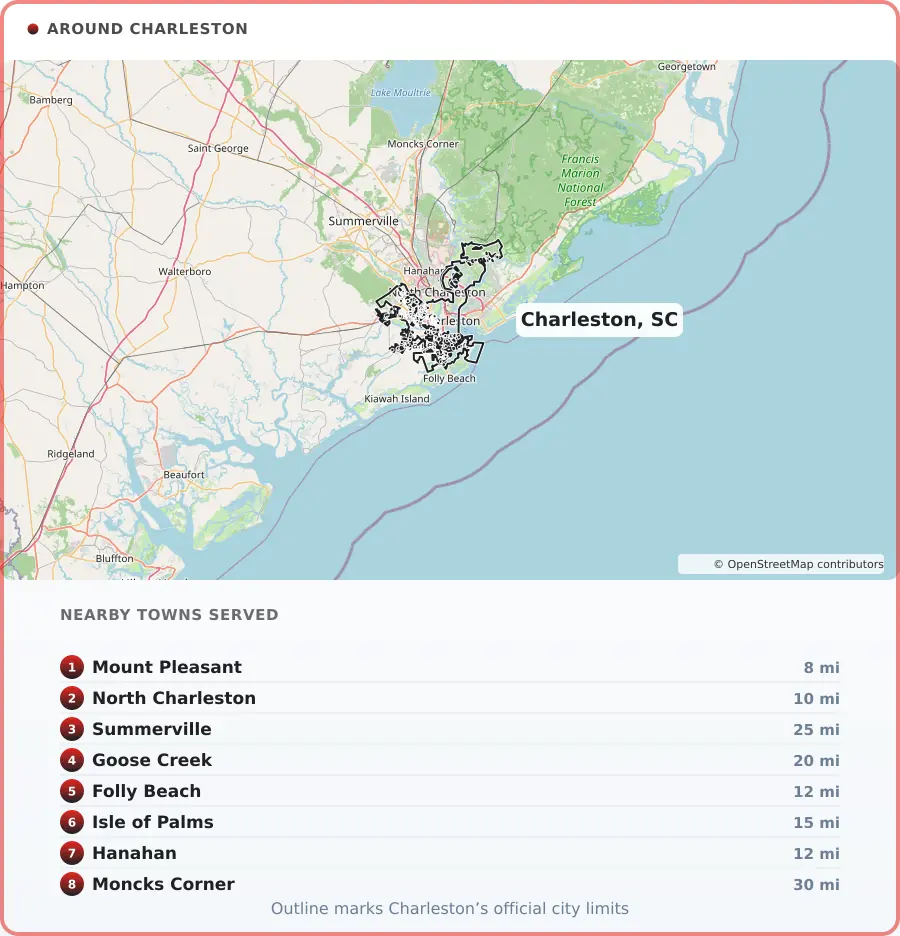
Charleston, SC is the centre of the service area, which extends to 8 surrounding towns. The map shows how far that reaches.
Charleston, SC Information
Charleston, SC sits where the Atlantic coastline folds into a web of rivers and harbors, giving the city its deep maritime character. That setting still drives the economy: the Port of Charleston keeps cargo and logistics moving, tourists fill the historic streets of South of Broad and the French Quarter, and Boeing's presence has helped build a serious aerospace and advanced manufacturing base alongside names like Bosch and Mercedes-Benz Vans.
About 150,000 people call the city home, supported by major institutions like MUSC and Joint Base Charleston, plus a growing tech scene that's earned Charleston the nickname 'Silicon Harbor.' It's a city that wears its history easily while still building something new along the water.
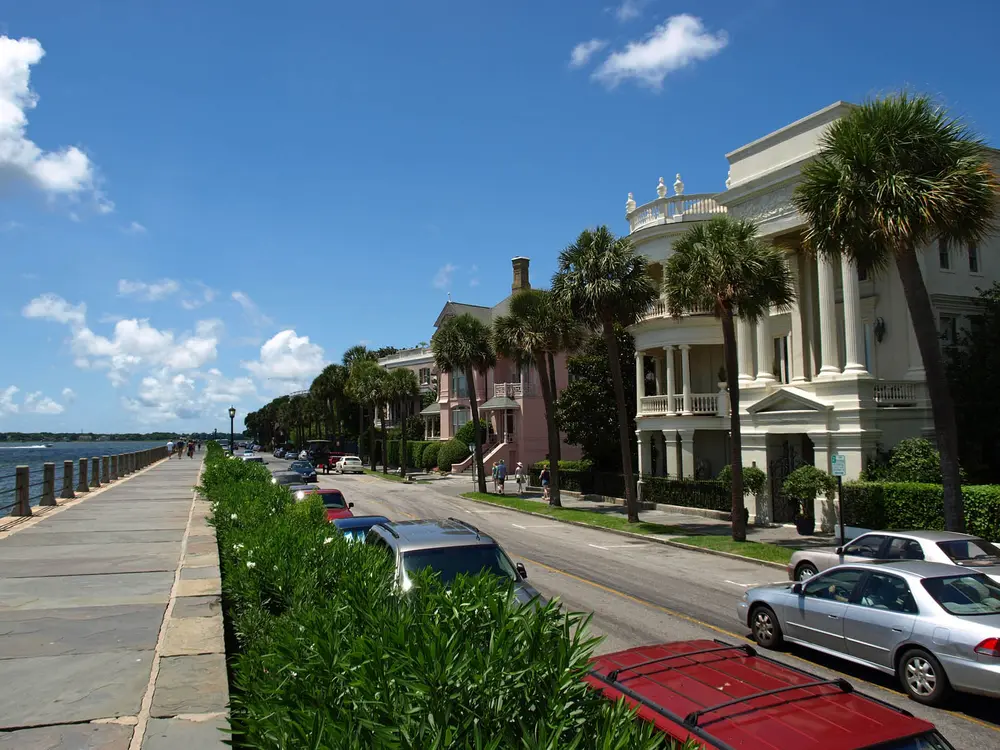
Photo: Chris Pruitt, CC BY-SA 3.0